
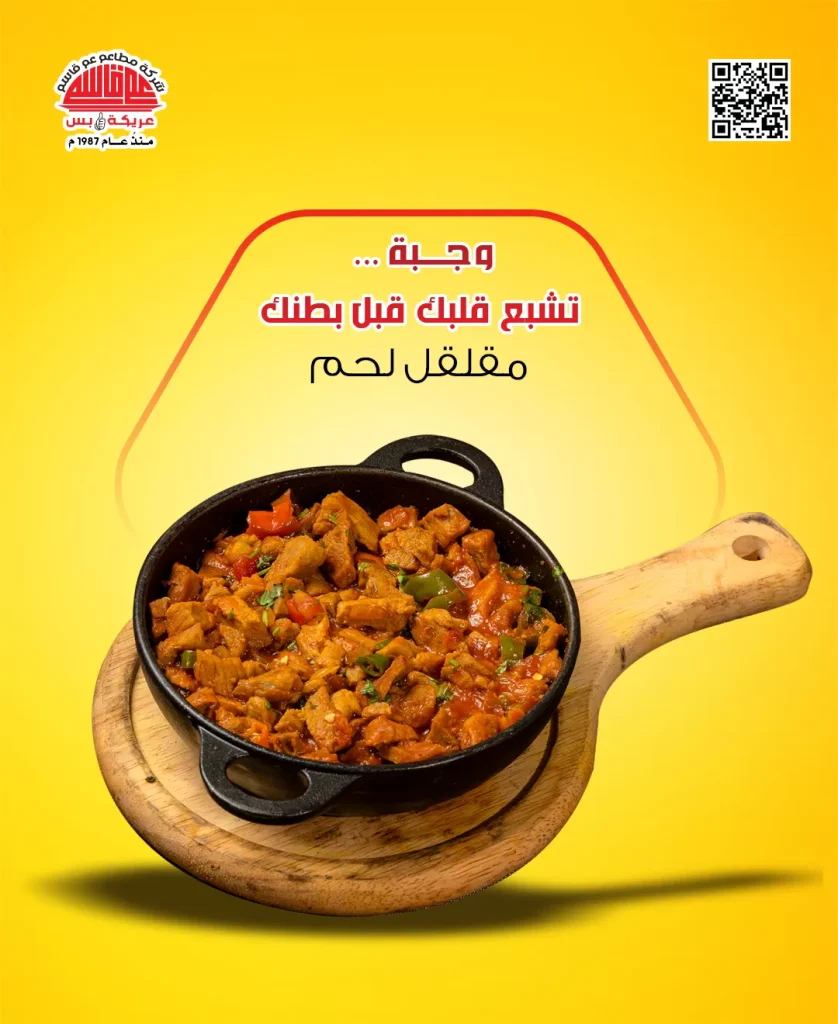
Why tawajin in Makkah in particular?
Makkah is a city that runs around the clock, and in the Umrah and Hajj seasons it welcomes numbers many times its own population. That rhythm creates a different way of eating: meals ordered at unusual hours that need to arrive hot and fill you up without a long wait. Stone-pot tawajin suit that rhythm better than any other part of Yemeni cooking, because the pot holds its heat for twenty minutes after it comes off the fire.
Anyone searching for a “Yemeni restaurant in Makkah” is usually looking for a warm meal after tawaf or after a late walk down from the Haram, not a long sit-down. This guide explains how to judge a tajine before you order it, then shows you where to find one at our branches.
Four signs of a well-made tajine
1. It arrives genuinely bubbling
Not warm — bubbling. A stone tajine comes off the fire just before it is fully cooked and finishes cooking on the way to the table. If it reaches you still, with no bubbling, it was cooked in another pan and only moved into the stone pot to serve — a common practice that robs the dish of half its idea.
2. The meat keeps its juices
The meat in maqlaqal is cut small and tossed quickly over high heat. Long cooking dries it out, and that is the most common mistake. Good meat resists the fork a little and then gives way; it is neither rubbery nor crumbly.
3. The tomato goes in last
The order of ingredients isn’t a detail: onion first, then the meat over high heat to sear it, then the tomato and peppers at the end. Reverse that order and the meat has stewed in tomato juice instead of searing — you can see it in a pale sauce.
4. It comes with hot malooh
Malooh isn’t an optional side; it is how you eat the dish. Cold or dry malooh spoils the experience however good the tajine is.
Our branches in Makkah
We have two open branches in Makkah. The Al-Mujahideen branch on King Faisal Road is the most specialised in tawajin generally and in lahm maqlaqal in particular, and it’s the branch we send people to when they want to try this section at its best. It stays busy until late, which suits anyone finishing their visit at night.
The Al-Sharaie branch serves the residential districts of Plan 4 and offers the full menu, including the foul and tameez section alongside tawajin. It is the better choice for family orders because it is more spacious.
What to order from the tawajin section
Lahm maqlaqal is the dish the section is known for; it is the highest in calories and the most ordered. If you want something lighter, chicken maqlaqal does the same job with fewer calories. Liver comes three ways — plain, with cheese, and fresh — and the fresh liver is closest in character to maqlaqal.
Alongside them are the pulse dishes: beans and peas, plain or with tuna or egg, which are the lightest and best suited to a quick meal after Fajr. Adeni shakshouka is an excellent choice if you prefer eggs. The full list with prices and calories is in the tawajin section, and the details of the most famous dish are on the lahm maqlaqal page.
The stone pot: why it can’t be replaced
Some people ask why maqlaqal isn’t cooked in an ordinary frying pan and served on a plate. The answer is that the stone isn’t a serving dish but part of the cooking itself. Stone stores heat and releases it slowly, which means the dish keeps cooking inside it after it comes off the fire. Cook in a pan and transfer the food, and you lose that stage entirely: the dish arrives already cooling instead of at its peak.
There is a second effect: stone spreads heat more evenly than thin metal, so the edges don’t burn while the middle stays lukewarm. You see this clearly in the pulse dishes, which need longer cooking than maqlaqal.
Maqlaqal in the busy seasons
In the Umrah and Hajj seasons, orders from the tawajin section rise sharply, especially in the hours after prayers. We don’t prepare tawajin in advance, because that would ruin the whole idea — which means waiting times get longer at the peak. The practical answer is to order a little before or after the rush, not during it.
Tips for the guests of Al-Rahman
If you’re here in a busy season, takeaway is much faster than sitting down straight after prayers. A tajine travels well because the stone keeps it hot — unlike mutabbaq, which loses its crunch within minutes.
If you’re ordering for a group, one tajine is a full meal for one person with malooh. It’s better to split the order between maqlaqal and pulse dishes than to order maqlaqal for everyone, because it is relatively heavy.
And if you’re visiting other cities on the same trip, you’ll find the addresses, numbers and opening hours of all our branches in the branch directory.