
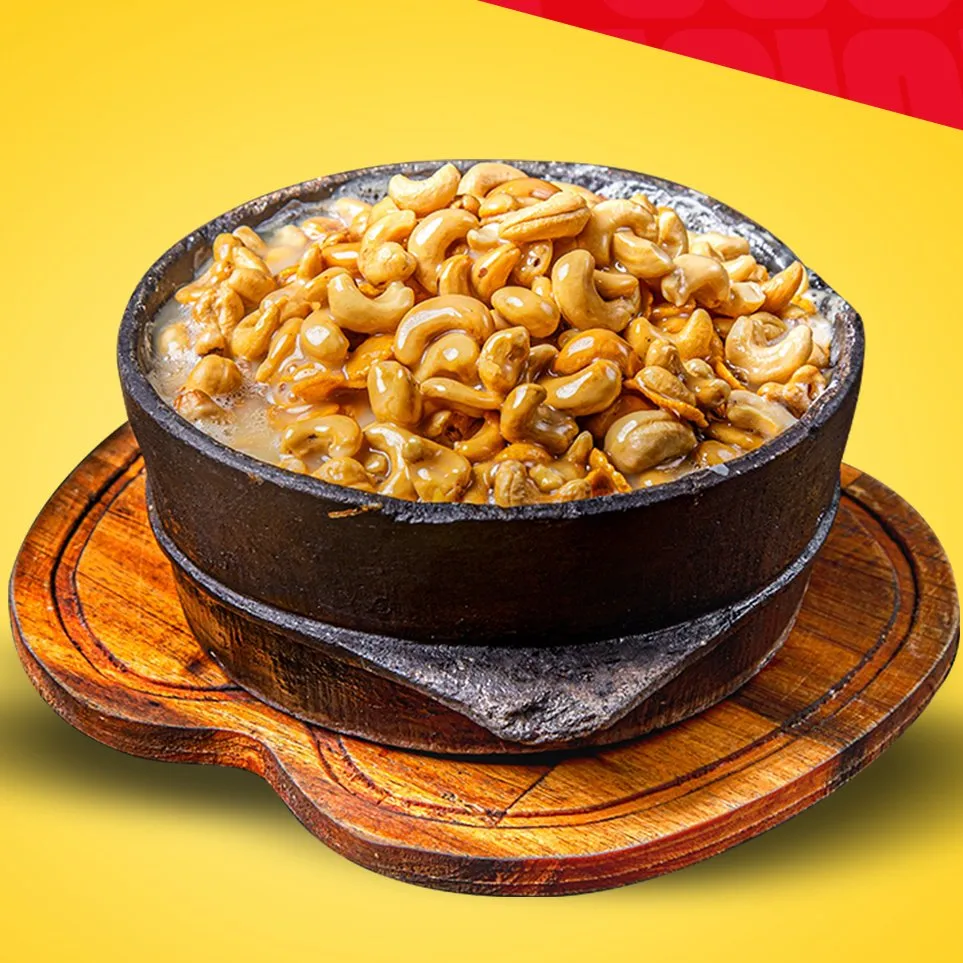
Areekah before it became a restaurant dish
Areekah didn’t start as a restaurant dish, but as a dish for the home and for occasions. In the Yemeni highlands it was made for Eids and feasts and when a guest arrived who was to be honoured, and in many regions it was almost obligatory on the hospitality table. Its very name comes from ark — rubbing and kneading by hand — a literal description of the step that makes the dish: mashing hot bread until it becomes a soft dough.
That origin explains two things. First, areekah is dense by nature, because it was designed for an occasion rather than a light everyday meal. Second, it doesn’t tolerate shortcuts, because every step in it was done slowly at home, not in a commercial kitchen under the pressure of orders.
The original ingredients of Yemeni areekah
The ingredient list is surprisingly short: whole-wheat flour, water, salt, local ghee and honey. No yeast in the traditional recipe, no milk and no eggs. That simplicity is exactly what makes the dish difficult — there’s no strong-flavoured ingredient to hide a mistake in another.
The flour
Whole wheat is the foundation, not sifted white flour. The bran left in the flour is what gives areekah its dark colour, its light earthy taste and its ability to take the mashing without turning into a sticky lump. White flour gives a smoother dough, but the dish loses its character completely.
The ghee
Local ghee isn’t a fat added for greasing but a core flavour ingredient. It goes in while the bread is still at the peak of its heat, so it melts and works its way through the dough instead of floating on top. Replacing it with butter or vegetable oil changes the dish fundamentally, not just on the surface.
The honey
The honey is poured on as it’s served, not before. Add it early and the dough soaks it up, and the dish loses the contrast between soft and liquid that the traditional presentation intends. In Yemen, sidr honey is preferred in particular for its thick body, which stays on the surface instead of sinking quickly.
How it’s made, step by step
The dry ingredients are kneaded with just water and salt until they come together, then shaped into rounds, pressed onto the wall of the stone tannour and baked until fully cooked. They come out very hot and go straight into a stone bowl, where they are mashed with a wooden pestle while the ghee is added gradually, until the texture is smooth and soft and holds the honey without dissolving in it.
The decisive point is the timing of the mashing. Areekah is mashed at the peak of its heat, because cold bread doesn’t break down — it clumps. Anyone who lets the bread cool and then tries to make up for it with more ghee ends up with a greasy dish, not areekah.
From the hospitality table to Saudi restaurants
Areekah reached Saudi Arabia’s west coast with the early Yemeni migrations and settled first in Jeddah before spreading to Riyadh, Madinah and Taif. As it spread, it picked up additions that weren’t in the original recipe: cream, cheese, cashews and cornflakes. These additions aren’t necessarily wrong, but they change the dish’s identity, which is why our menu keeps both versions — the original and the updated — rather than replacing one with the other.
Where to try the original areekah
If you want the recipe closest to the original, start with plain areekah with honey and ghee before moving on to the combinations. The simple kinds are the ones that reveal the quality of the ingredients. And Areekah Hajar is served in a hot stone bowl that keeps it warm to the last bite — as close as it gets to the traditional way of serving it.
You can browse the full areekah section with prices and calories to compare sizes and toppings, or choose your nearest branch if you’d like to try it hot in the dining hall. And for anyone who wants to compare the three dishes people often mix up, there’s our article on the difference between masoub, mutabbaq and areekah.